The Hive and The Hymn
The Hive and The Hymn is an exhibition that invites audiences to encounter life at the edge of the forest, where ecology, labour, myth, and belief intertwine in the Sundarbans. Moving between research and storytelling, the exhibition explores how communities living alongside the mangroves understand their world through both lived realities and inherited cultural forms.
At its core, the exhibition unfolds as a dialogue between two realms:
The Tangible
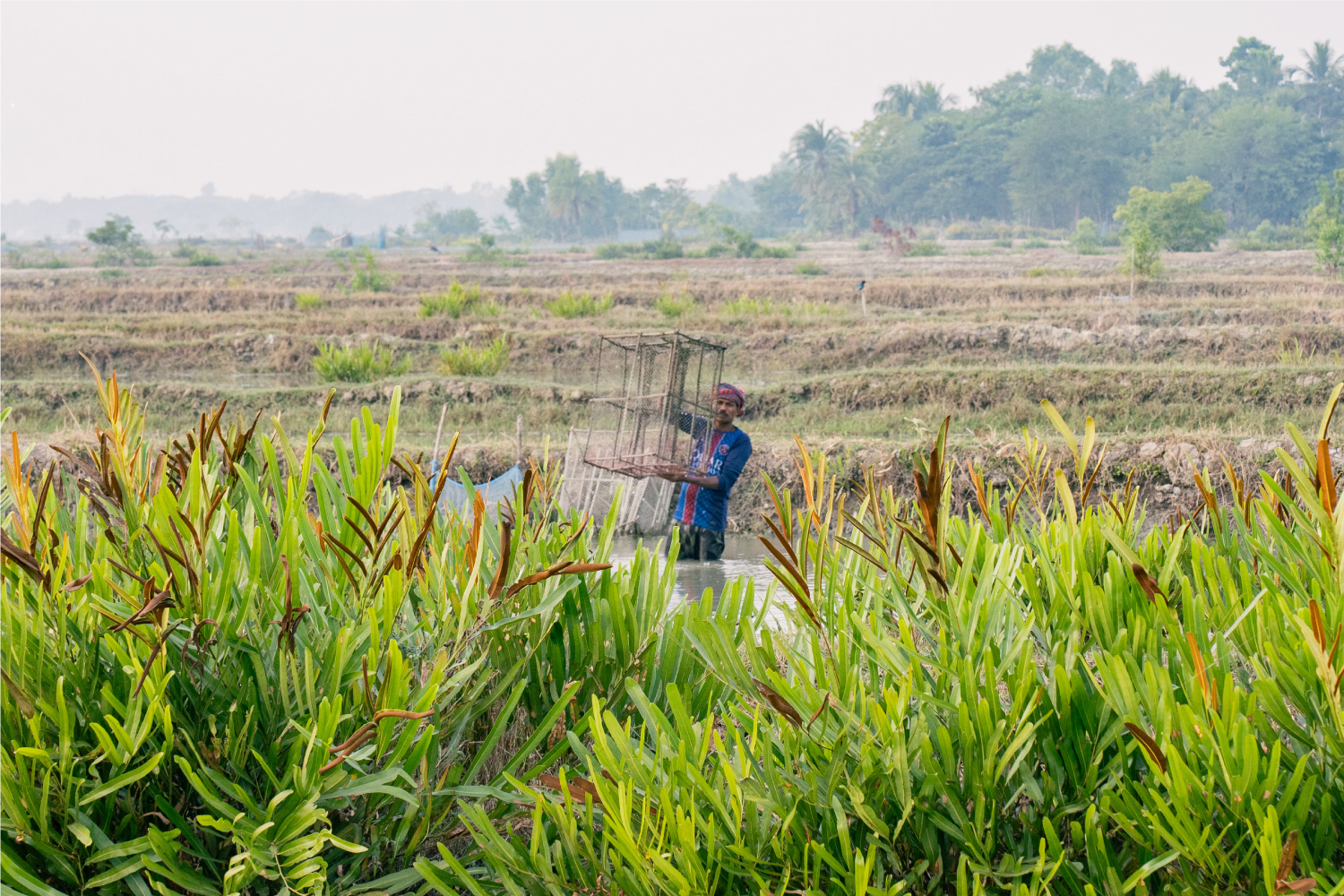
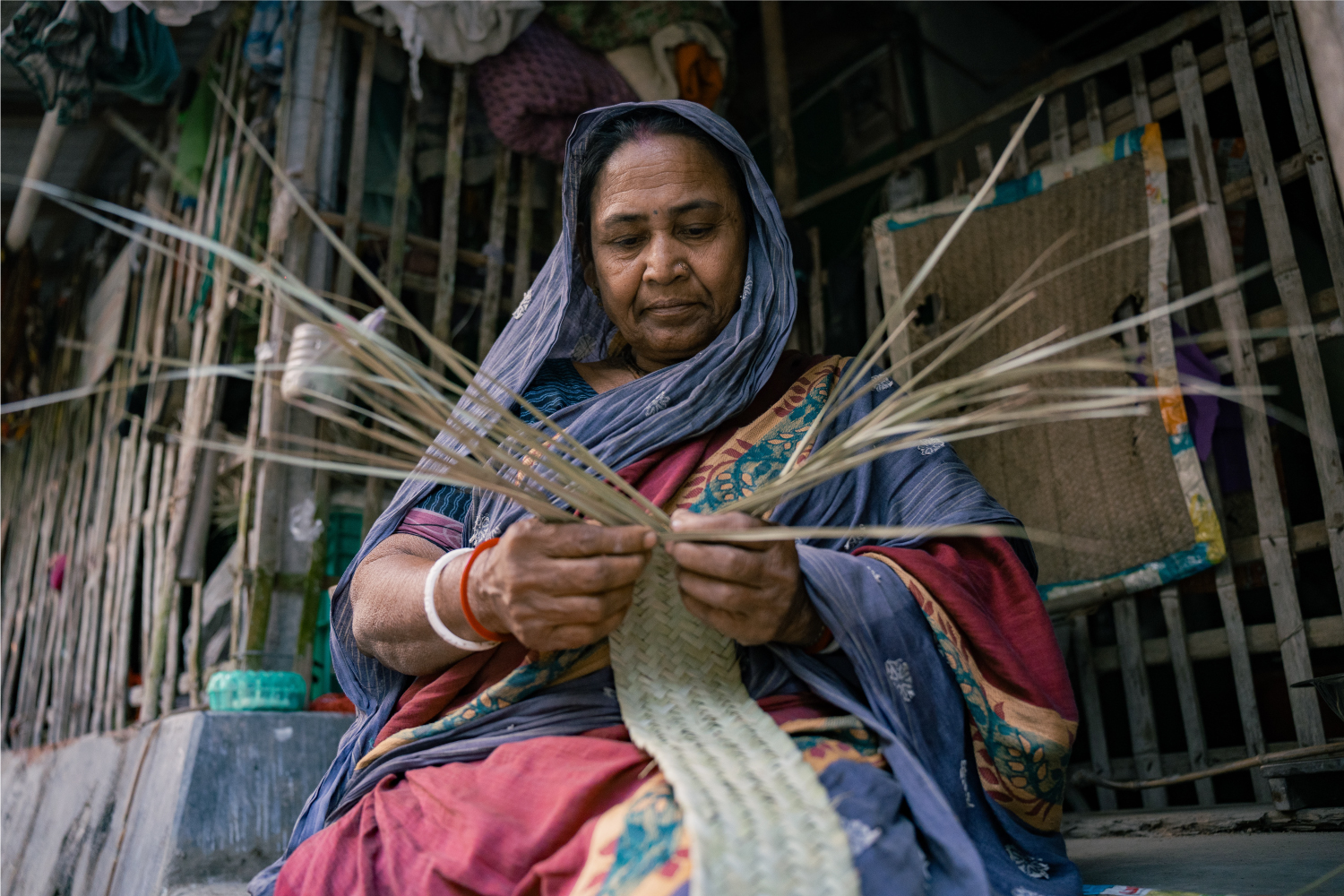
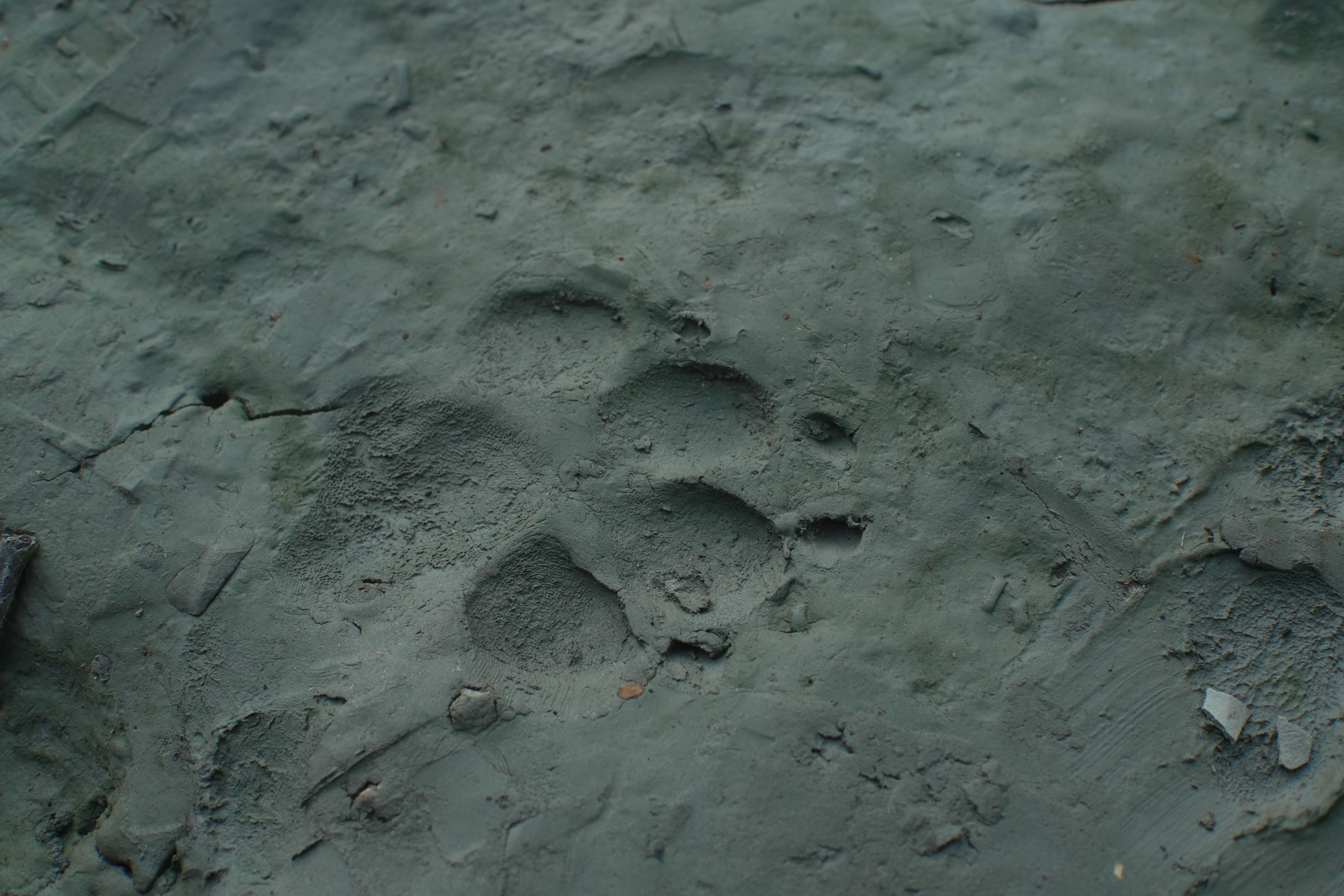
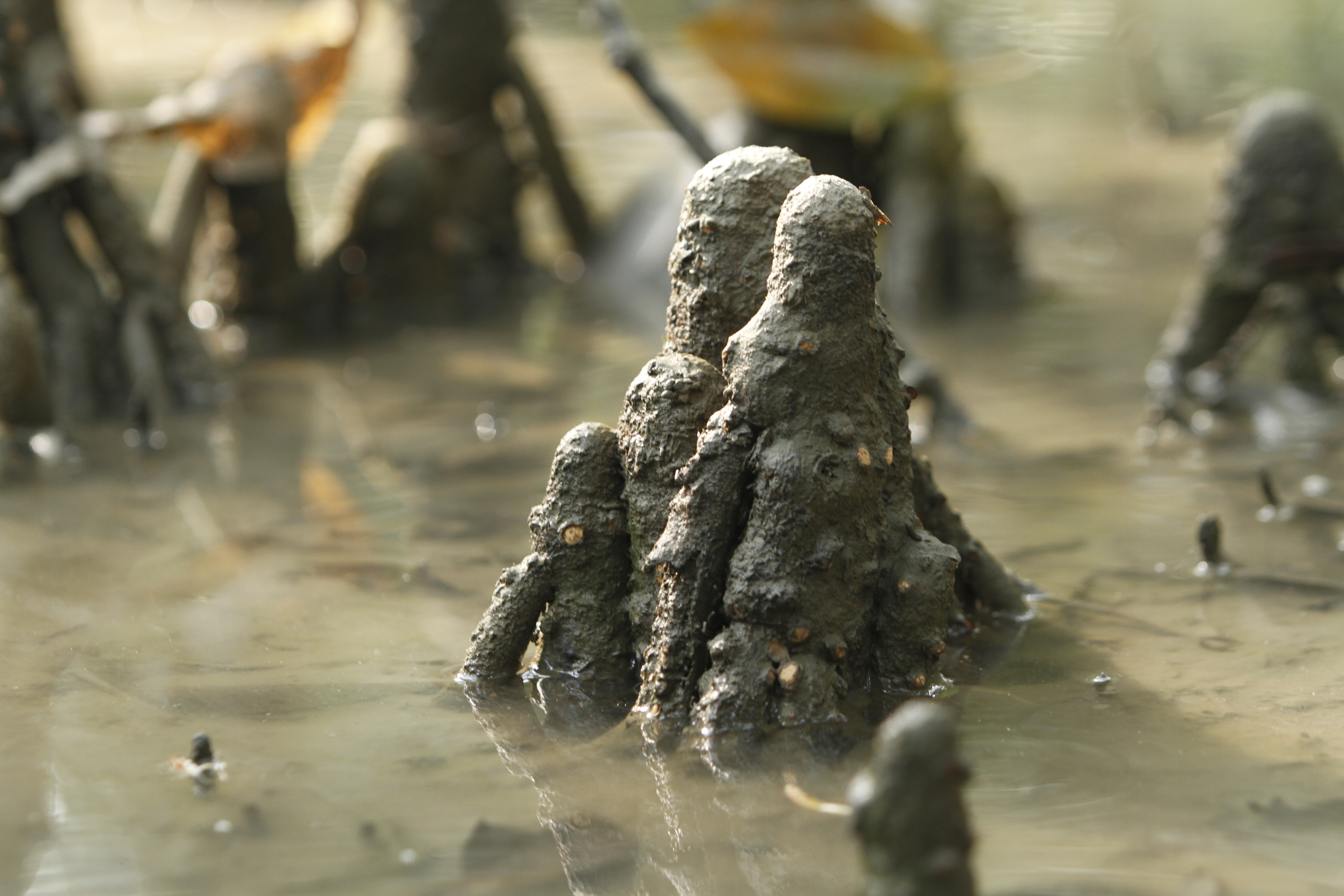
Grounded in architectural and ecological research, this section presents studies of settlement patterns, livelihoods, and environmental systems in the Sundarbans region. Developed in collaboration with HERITEiNCE of Bangladesh University of Engineering and Technology and Riverine People, it focuses particularly on the Moual (honey-collector) community, whose lives are shaped by both the generosity and danger of the forest. Illustrated panels, photographs, and research narratives reveal how people adapt to an ever-shifting landscape where documentation itself is rare.



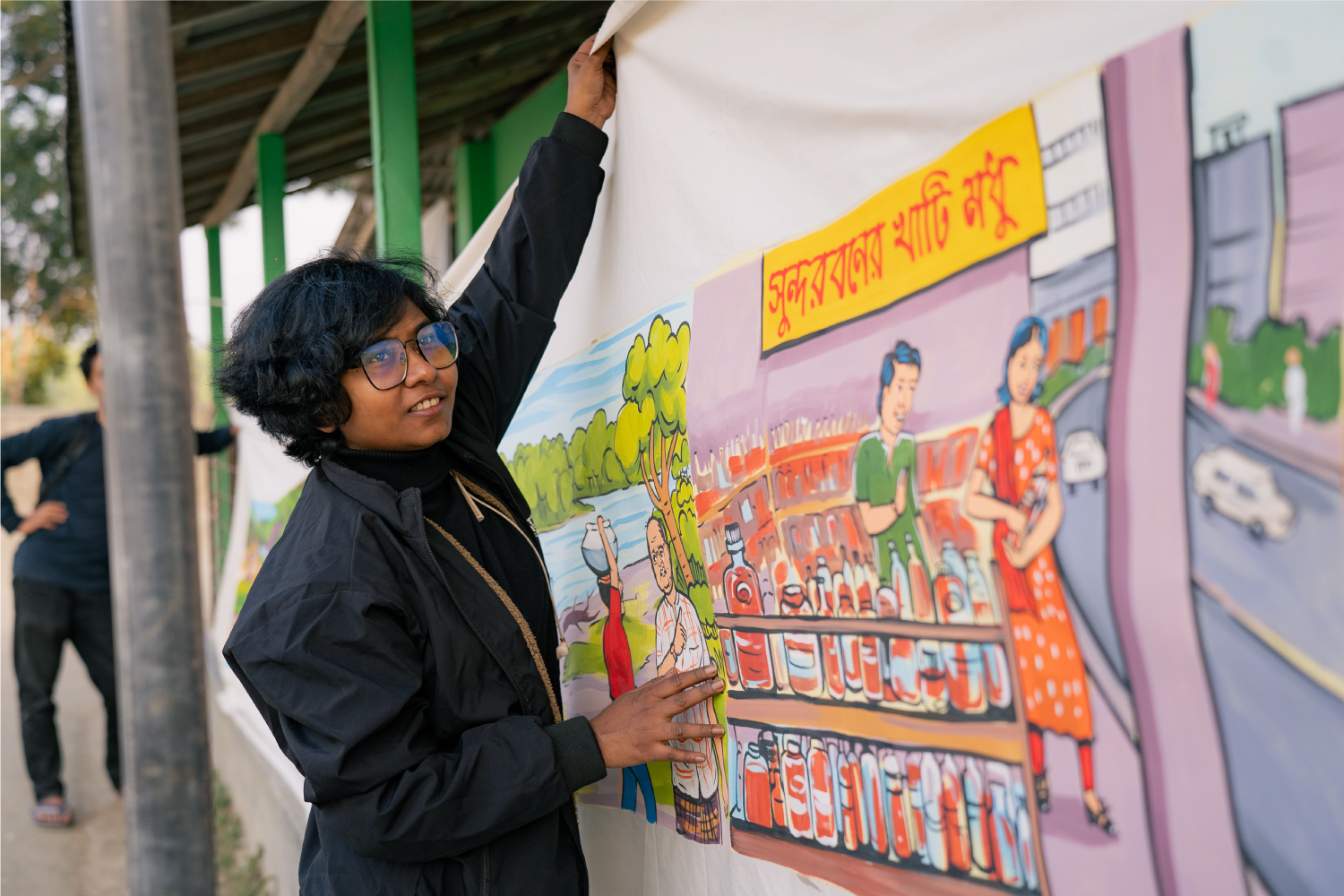
The Intangible
Running alongside research is a world shaped by story, ritual, and image. Developed in collaboration with Team Platform, this section brings together several bodies of Patachitra, Bengal’s scroll-painting tradition, tracing its journey from hereditary practice to contemporary reinterpretation. Through depictions of forest deities, honey-collecting cycles, and everyday village life, these works act as vessels of memory—recording faith, fear, resilience, and survival in visual form.
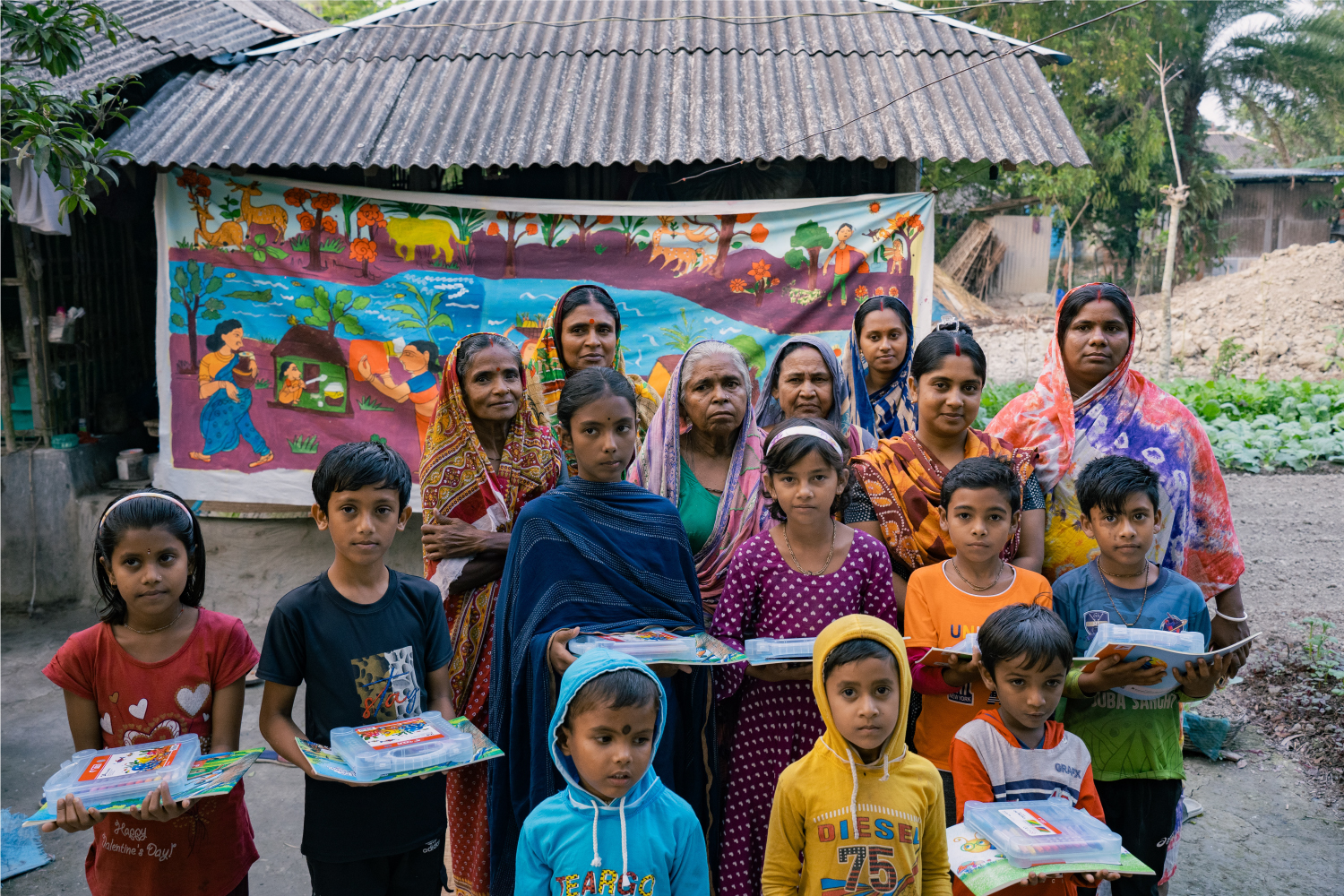
A special co-created scroll, painted with women and children from forest-edge villages, offers an intimate perspective: life as seen from within the community itself, without myth or spectacle—only lived experience.
Performance
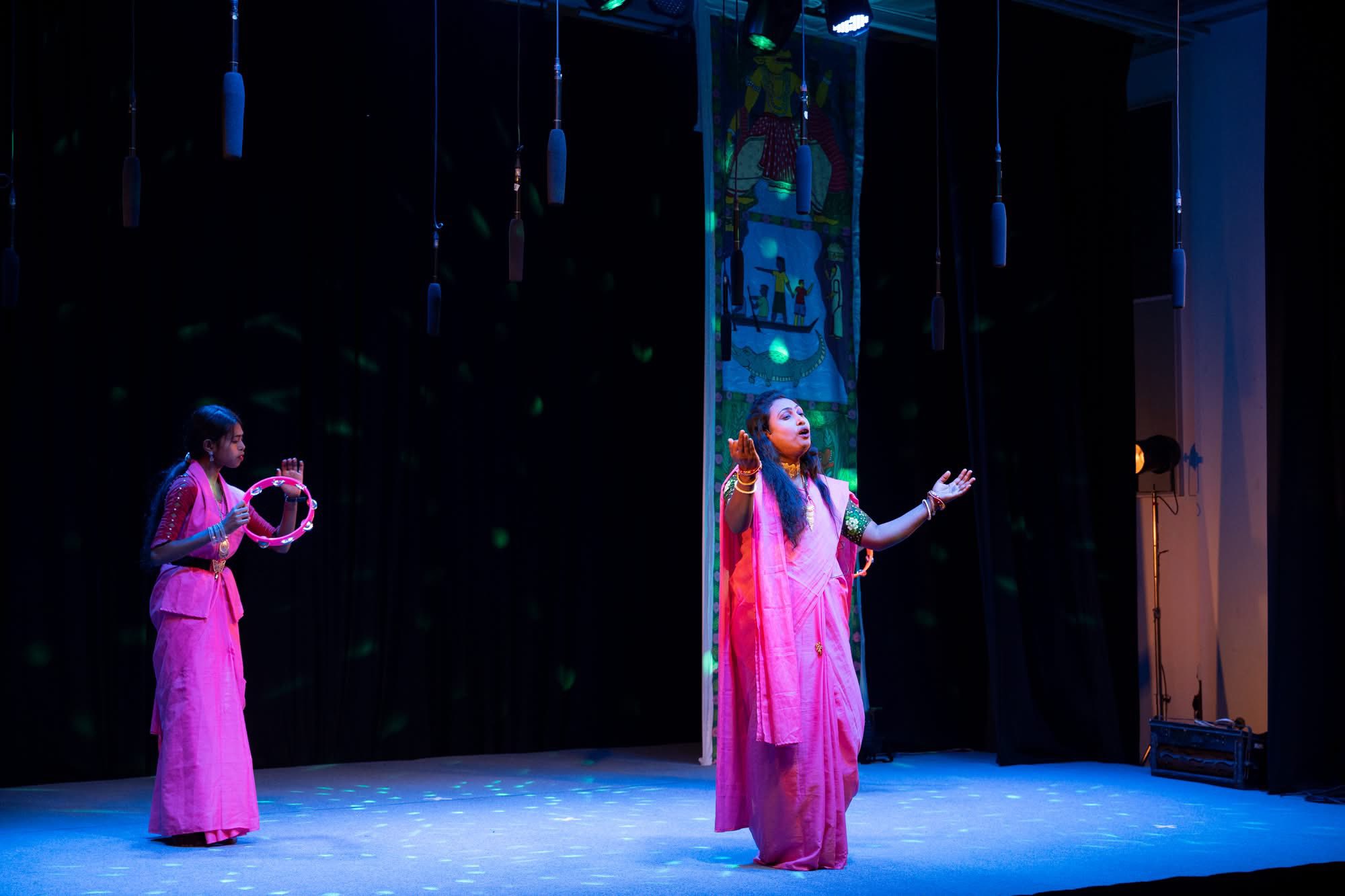
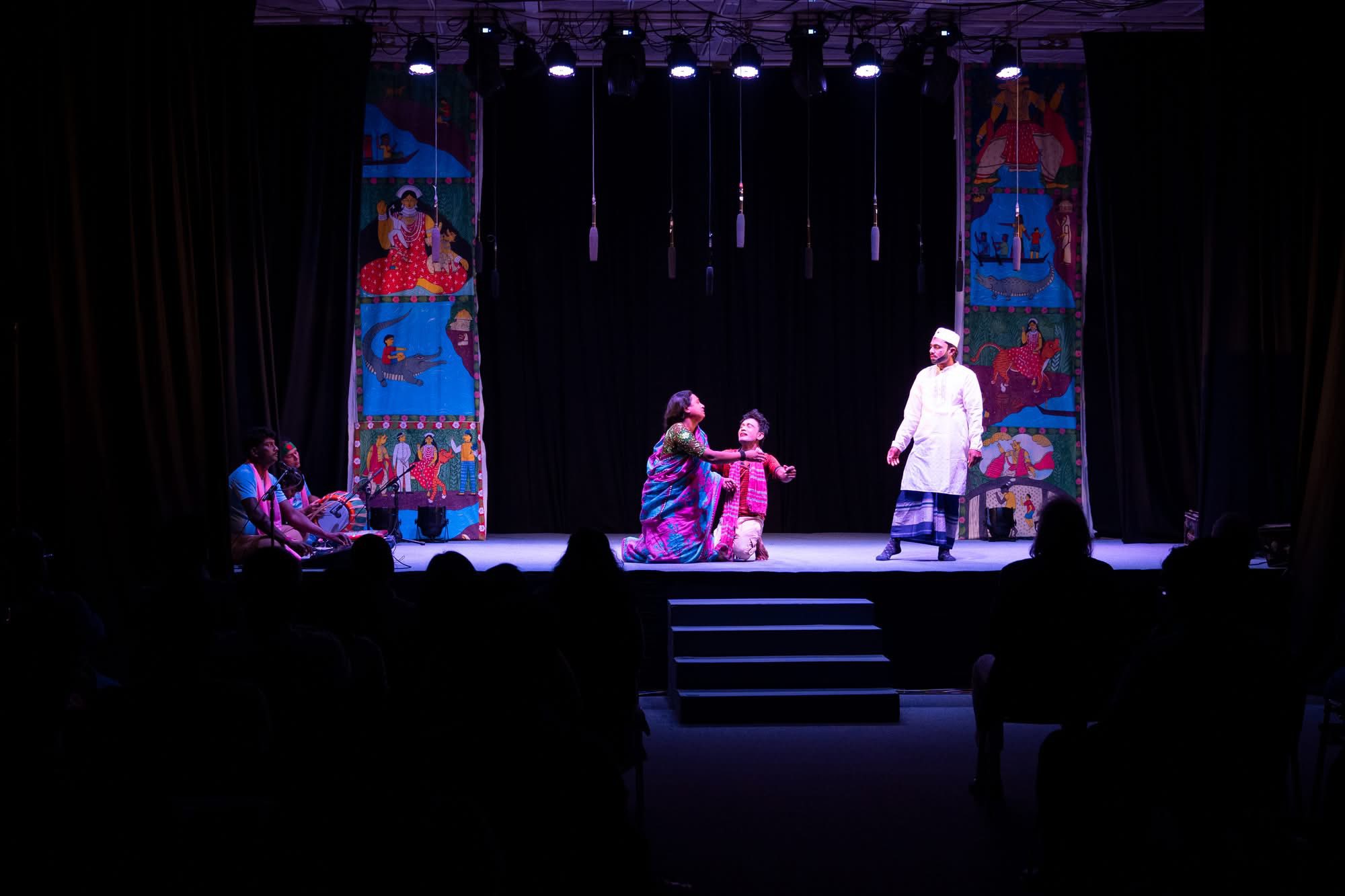
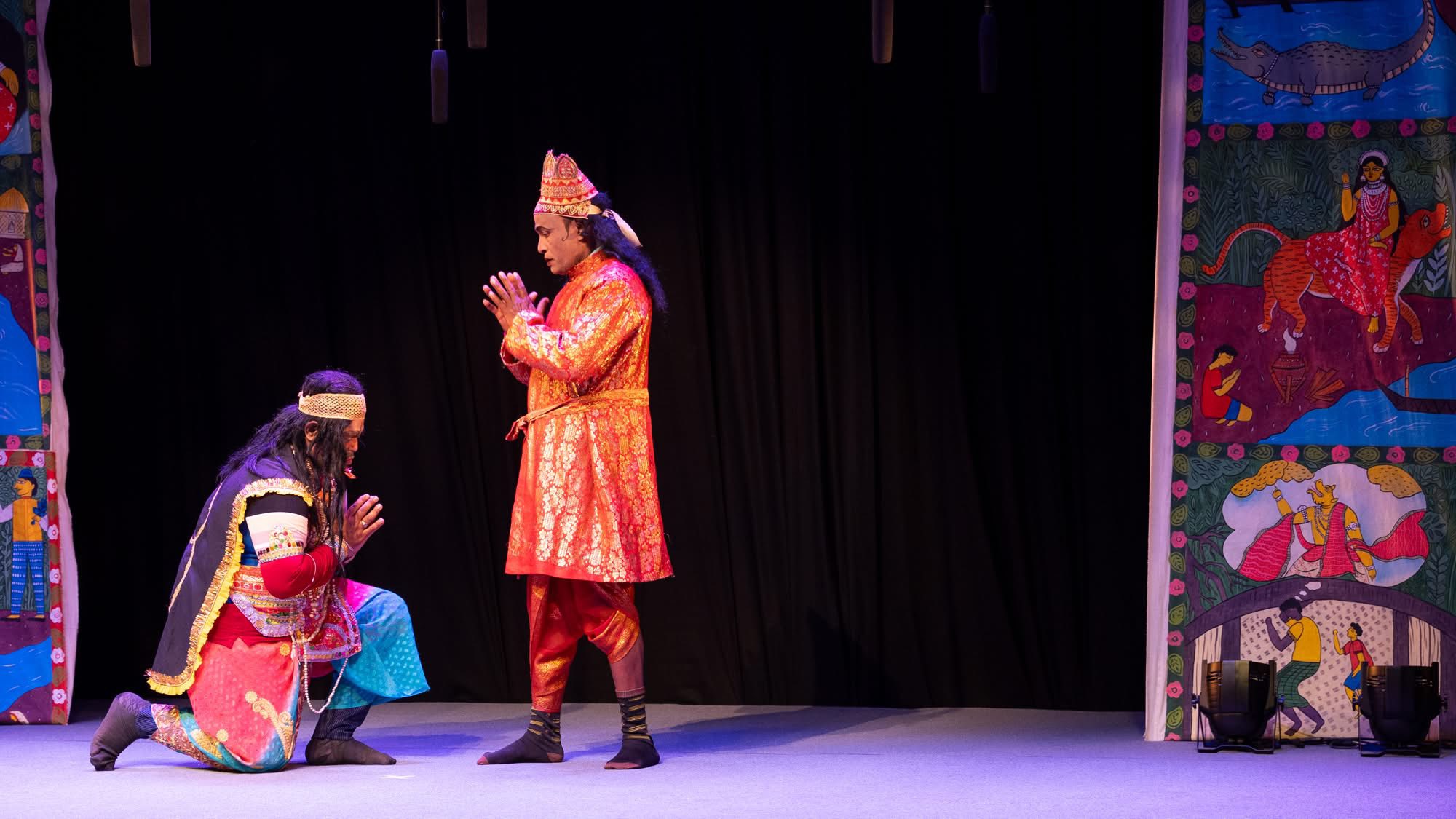
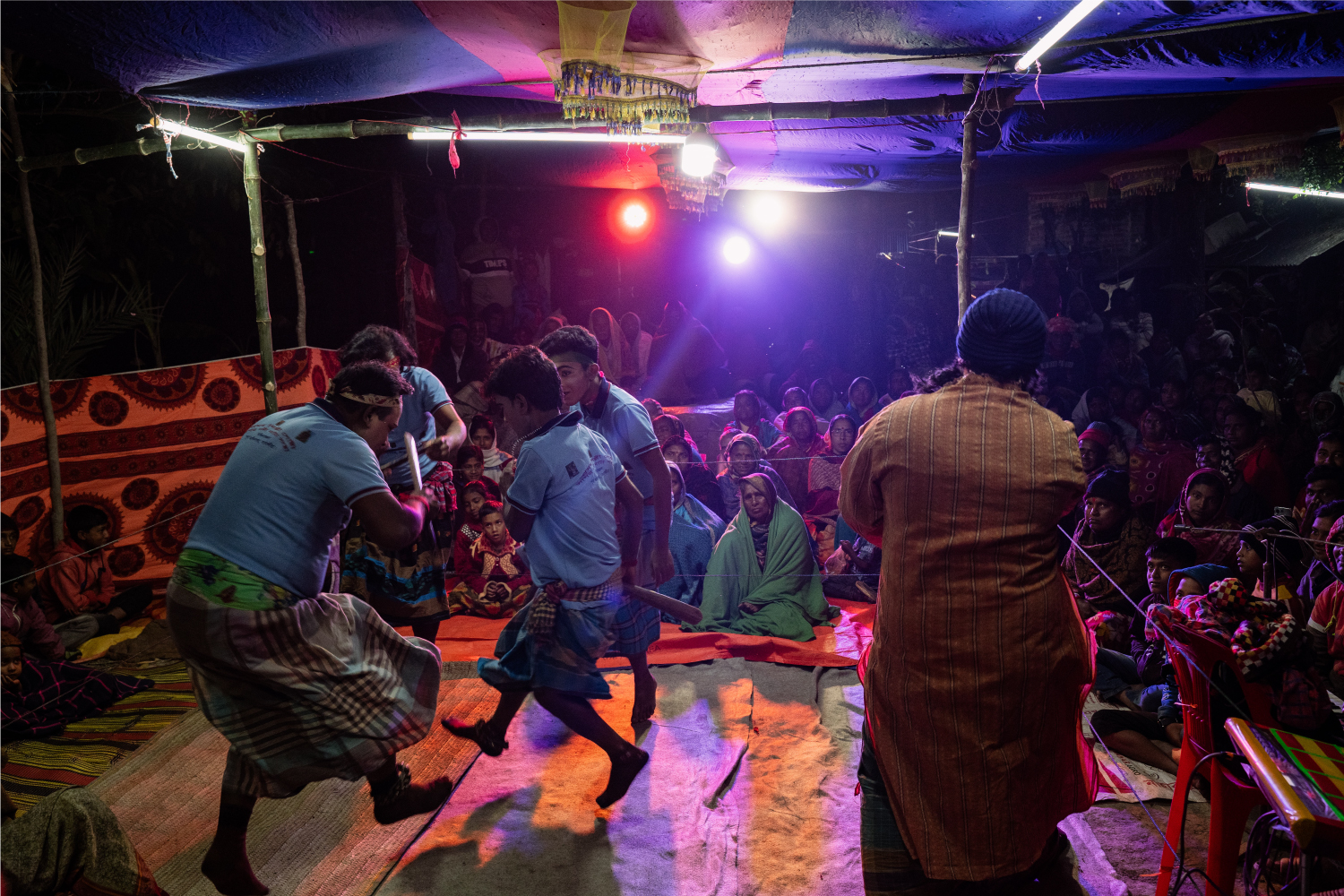
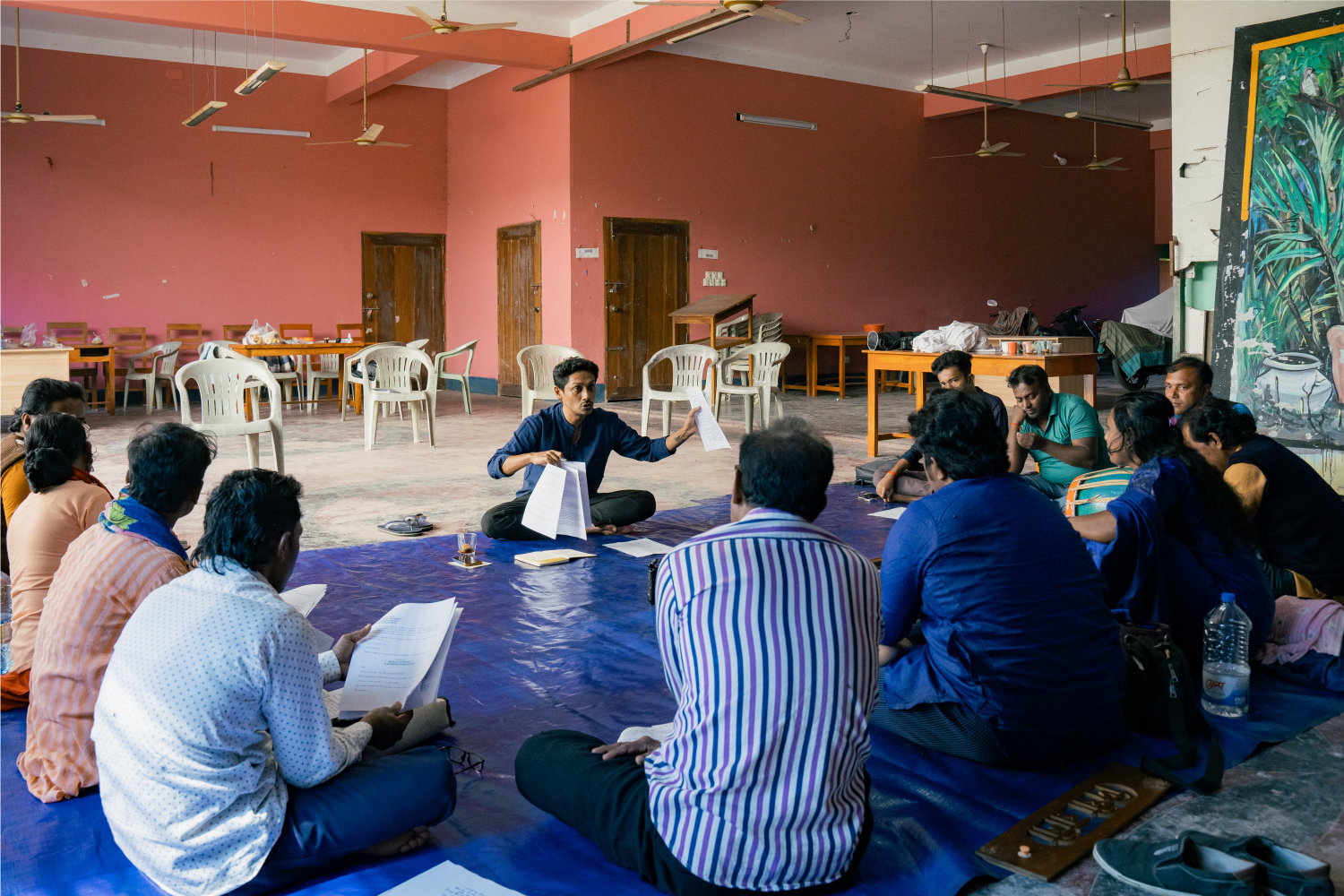
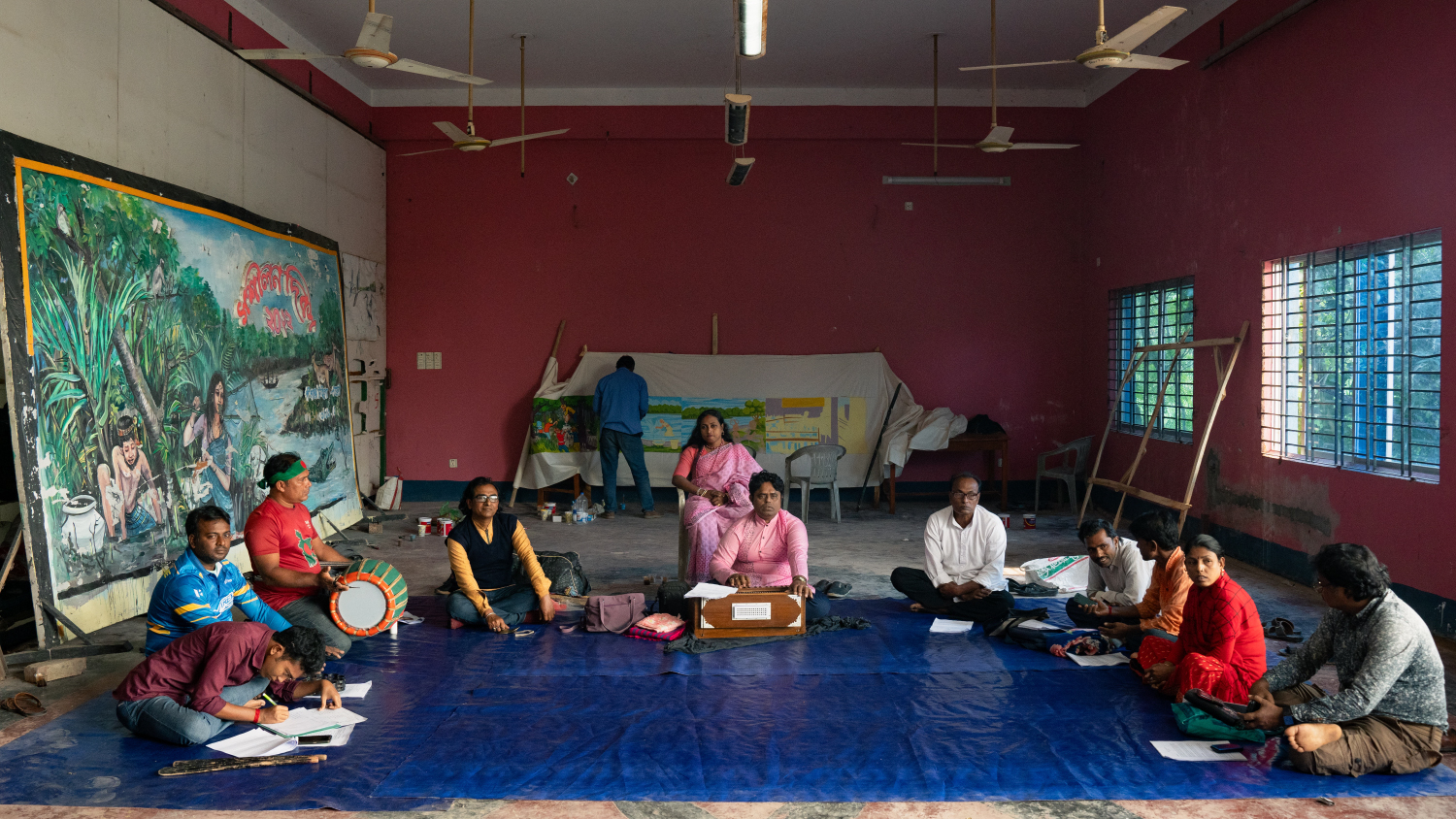
On opening night, the painted narratives extend into performance through Jatrapala, a traditional folk theatre form. A local troupe from Satkhira presents Bonobibi’r Pala, animating the story of the forest goddess Bonobibi through music, movement, and dialogue. Here, myth becomes embodied, and the line between story and reality briefly dissolves.
The Hive and The Hymn does not attempt to define the Sundarbans or the people who live there. Instead, it offers fragments—research findings, painted stories, and performed myths—as ways of looking, listening, and reflecting. The exhibition invites visitors to consider what it means to live between forest and settlement, tradition and change, myth and material reality—and to leave with questions that continue beyond the exhibition space.




The Artists and Their Works
Patachitra
The Patachitra tradition of Bengal is one of the oldest forms of visual storytelling, passed down through generations of painter-singers. In this exhibition, we present four distinct bodies of work, each representing a different moment in the evolution of the form—from hereditary practice to contemporary interpretation.
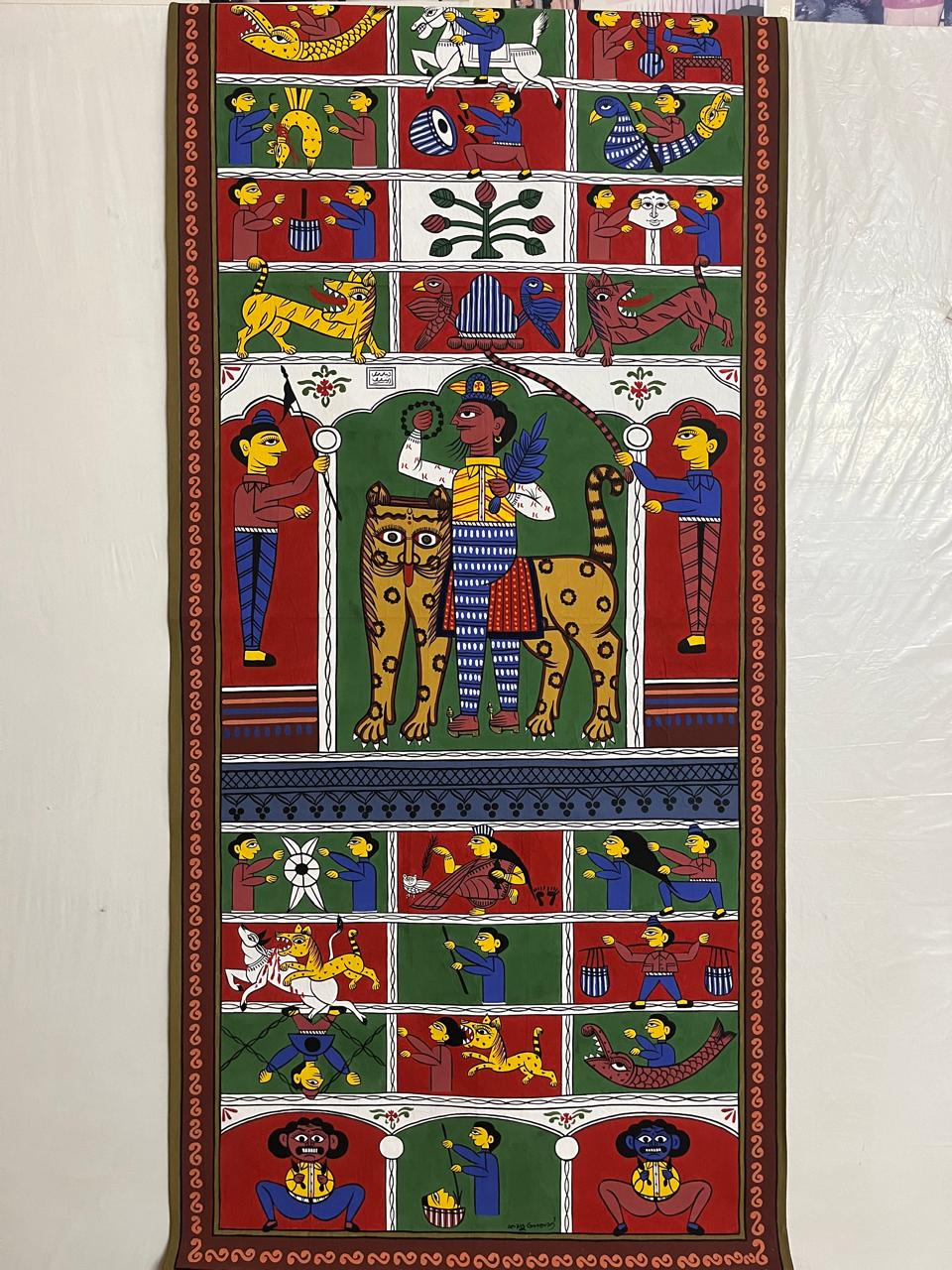
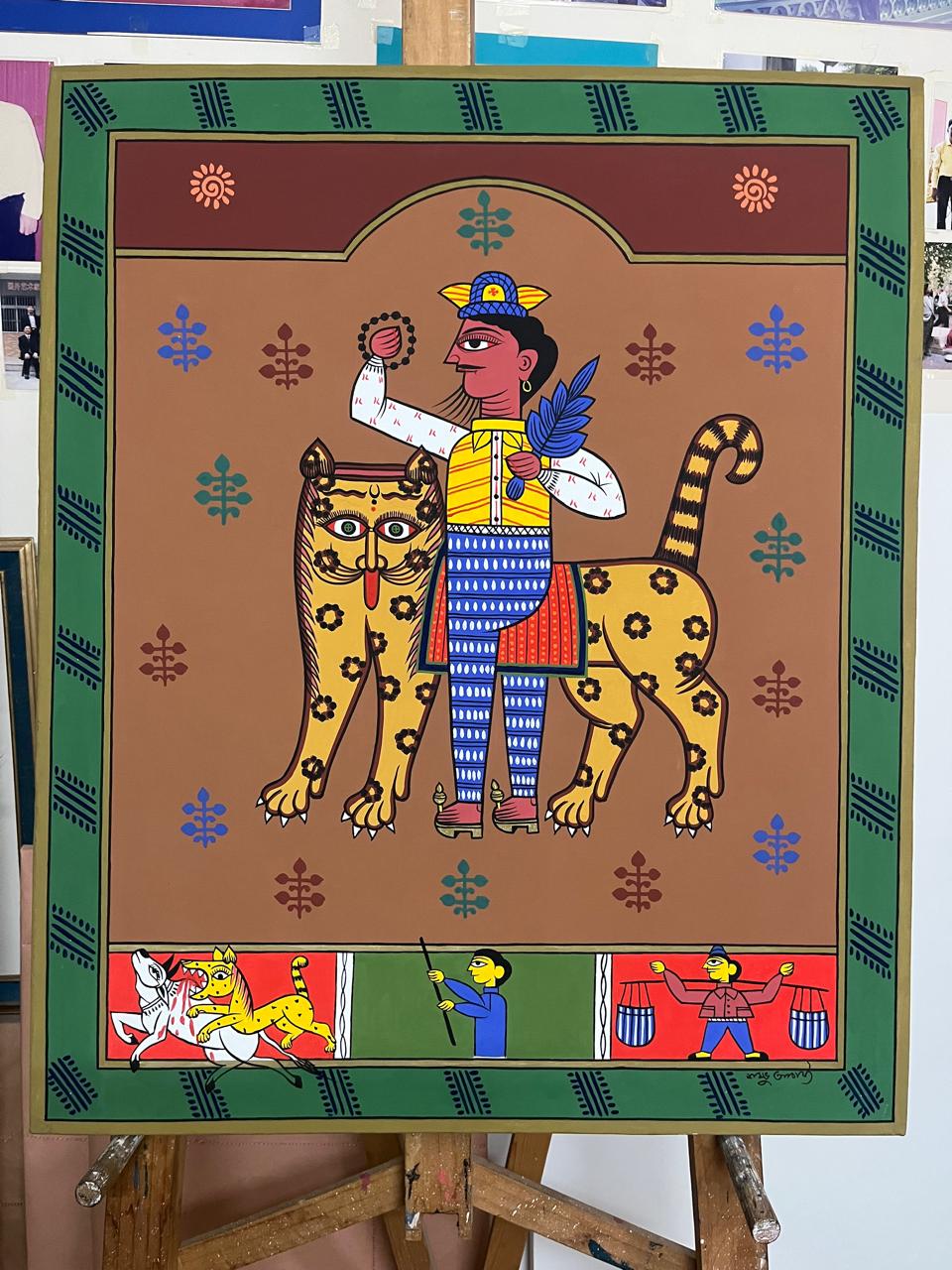
Traditional Patachitra: Gazir Pot
Artist: Shambhu Acharya
Shambhu Acharya (b. 1954) is a ninth-generation patachitra artist whose family has practiced scroll painting for over 450 years. He works exclusively with local materials to depict religious epics, local myths, and folk themes like Gazir pata. Responsible for upholding this heritage, his works have been exhibited internationally, including at London’s Spitz Gallery, and are collected globally. Shambhu continues the vital tradition of passing down this 12th-century storytelling art form within his family.
On Display:
The Gazi scroll tells the story of a Sufi saint revered in the Sundarbans region, often invoked for protection against tigers and other forest dangers. This display includes two interpretations:
● Complete Gazir Pot (27 panels): A traditional scroll depicting the full narrative of Gazi—his miracles, his encounters with forest deities, and his role as protector. Each panel unfolds like a chapter, preserving a storytelling tradition that is both religious and ecological in its significance.
● Single Panel (Modernised): A stylized, single-frame interpretation of the Gazi story, adapted for contemporary urban collectors. While rooted in traditional iconography, this version reflects a shift toward standalone, decorative forms—a response to changing markets and audiences.


Bonobibi’r Pot: A Myth Retold (8 panels I Vertical scroll)
Artist: Shaily Shrabonti
Shaily Shrabonti is a contemporary artist and postgraduate in Oriental Art from Dhaka University’s Faculty of Fine Arts. Following her recent solo exhibition at Alliance Française de Dhaka, she led a community workshop for this project. Her new scroll reimagines Dukhe’r Bonobash, retracing a generational path through the living language of Patachitra.
On Display:
The vertical scroll reinterprets the story of Bonobibi, the forest goddess who protects the faithful from the tiger-demon Dakshin Rai. Across eight panels, the myth unfolds—from Bonobibi’s arrival, through Dukhe’s trial, to the enduring truth that the forest provides, but demands respect. The work pays tribute to traditional Patachitra while carrying the imprint of contemporary artistic sensibility.
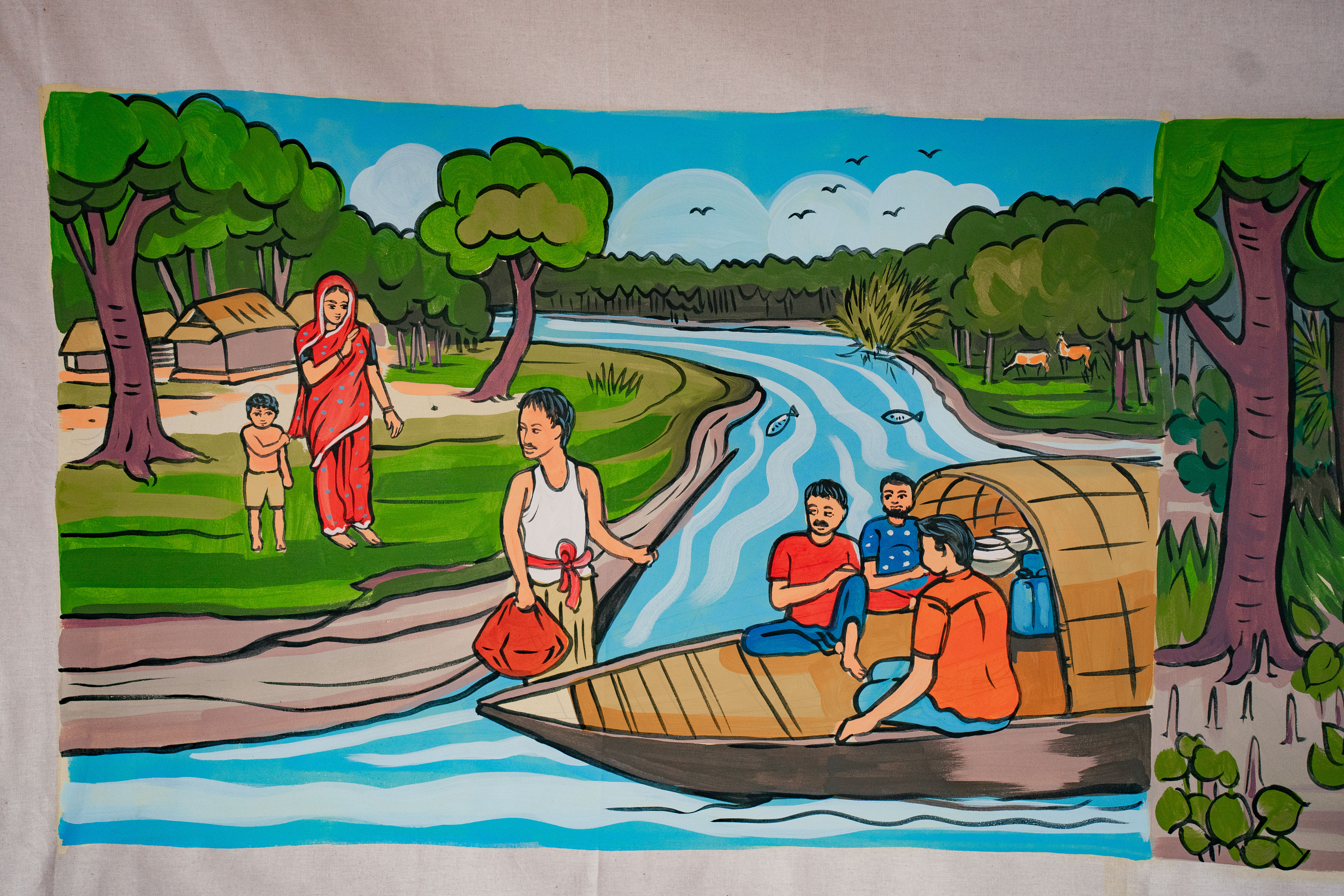
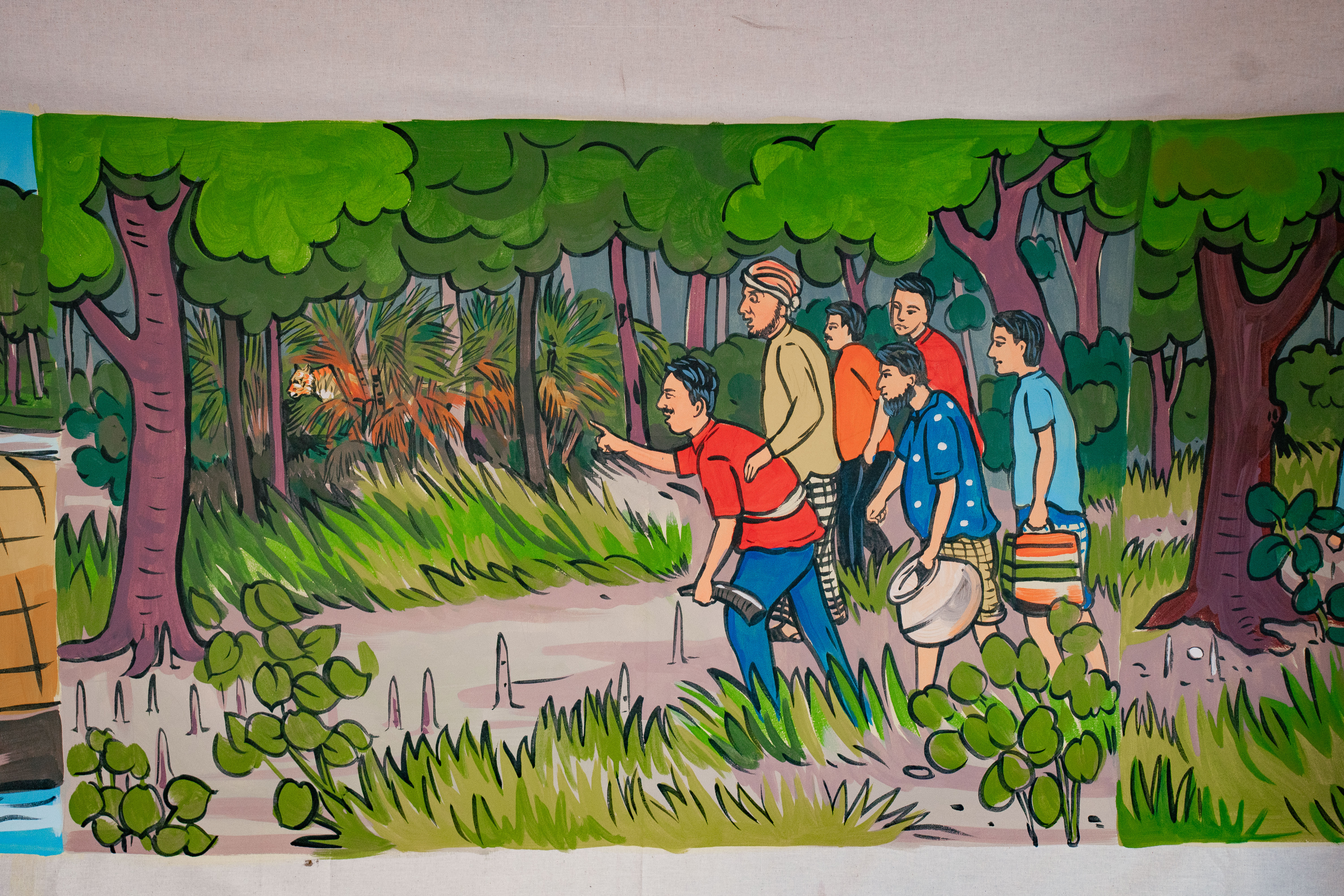
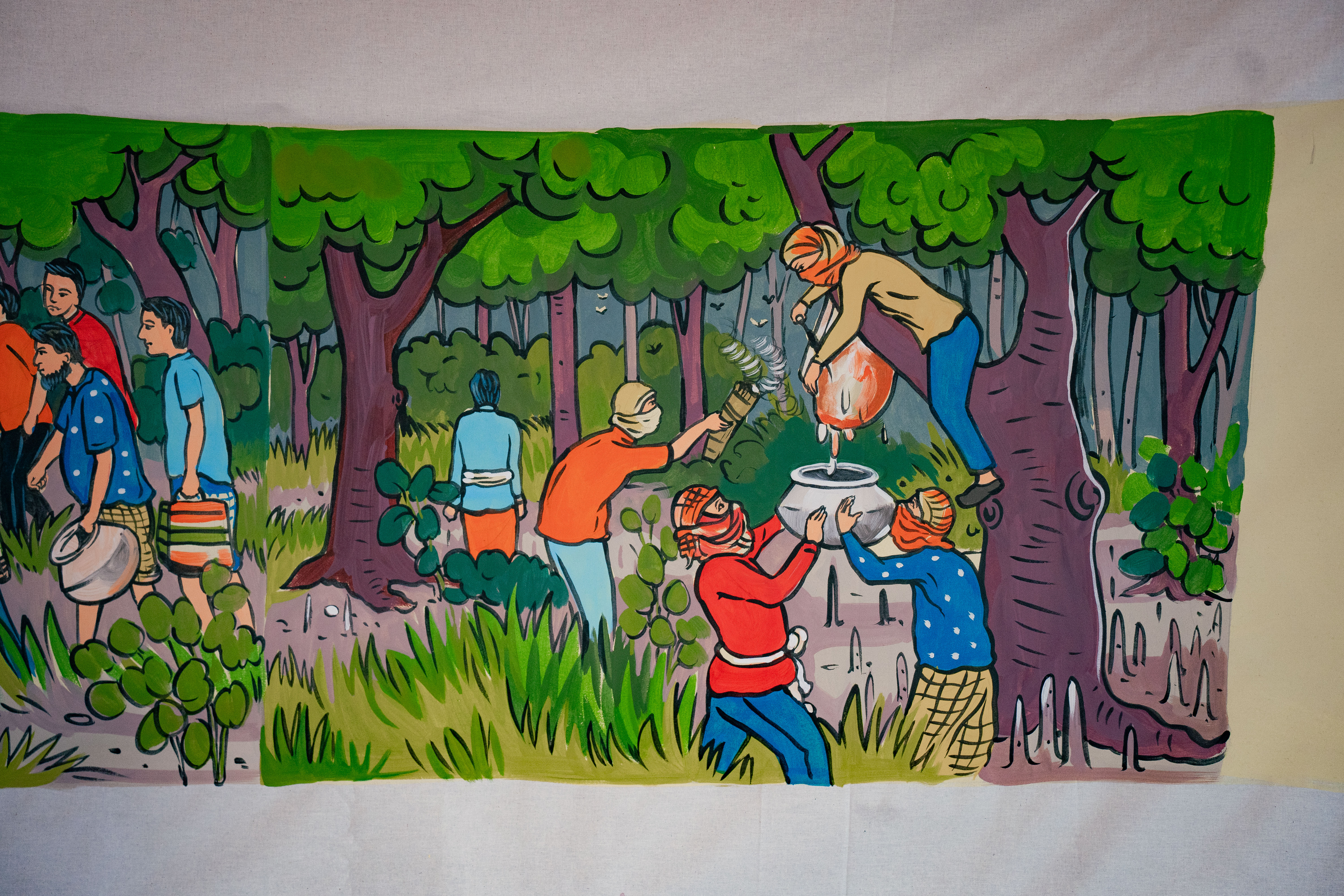
The Honey Collector’s Cycle: A Modern Patachitra in Eight Panels
Artist: K Kingkor Sardar
K Kingkor Sardar, based in Khulna, is a Patachitra artist with over 18 years of experience in producing scroll paintings for cultural projects. He represents a new wave of practitioners who learned the craft not through family tradition, but through structured NGO training. His work modernizes the classic form, adapting its message and aesthetic to reflect contemporary realities and challenges faced by the communities of southern Bangladesh.
On Display:
This scroll traces the annual cycle of honey collection—from debt to forest, from danger to market. Painted in a style associated with NGO-trained artists rather than hereditary scroll painters, it reflects a more recent evolution of Patachitra as a tool for social documentation.
Through this visual narrative, the scroll reveals not just a livelihood, but a system of extraction—economic, ecological, and human—that keeps the Mouals trapped in precarity.

Co-Created Scroll: Life Alongside the Sundarbans
Artists: Community collaboration at Chunkuri village Munshiganj, Satkhira, guided by Kalikinar Sardar and Shaily Shrabonti
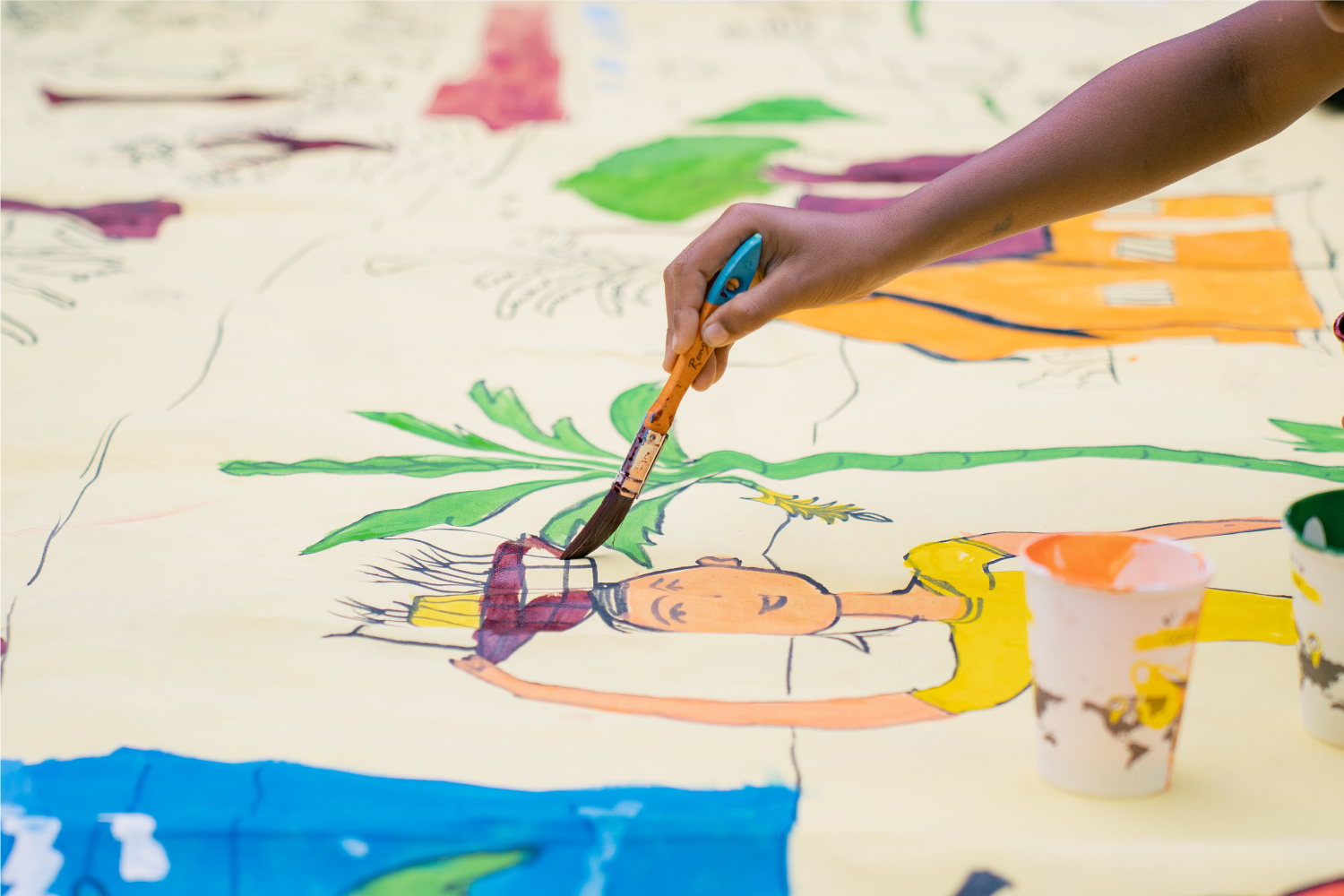
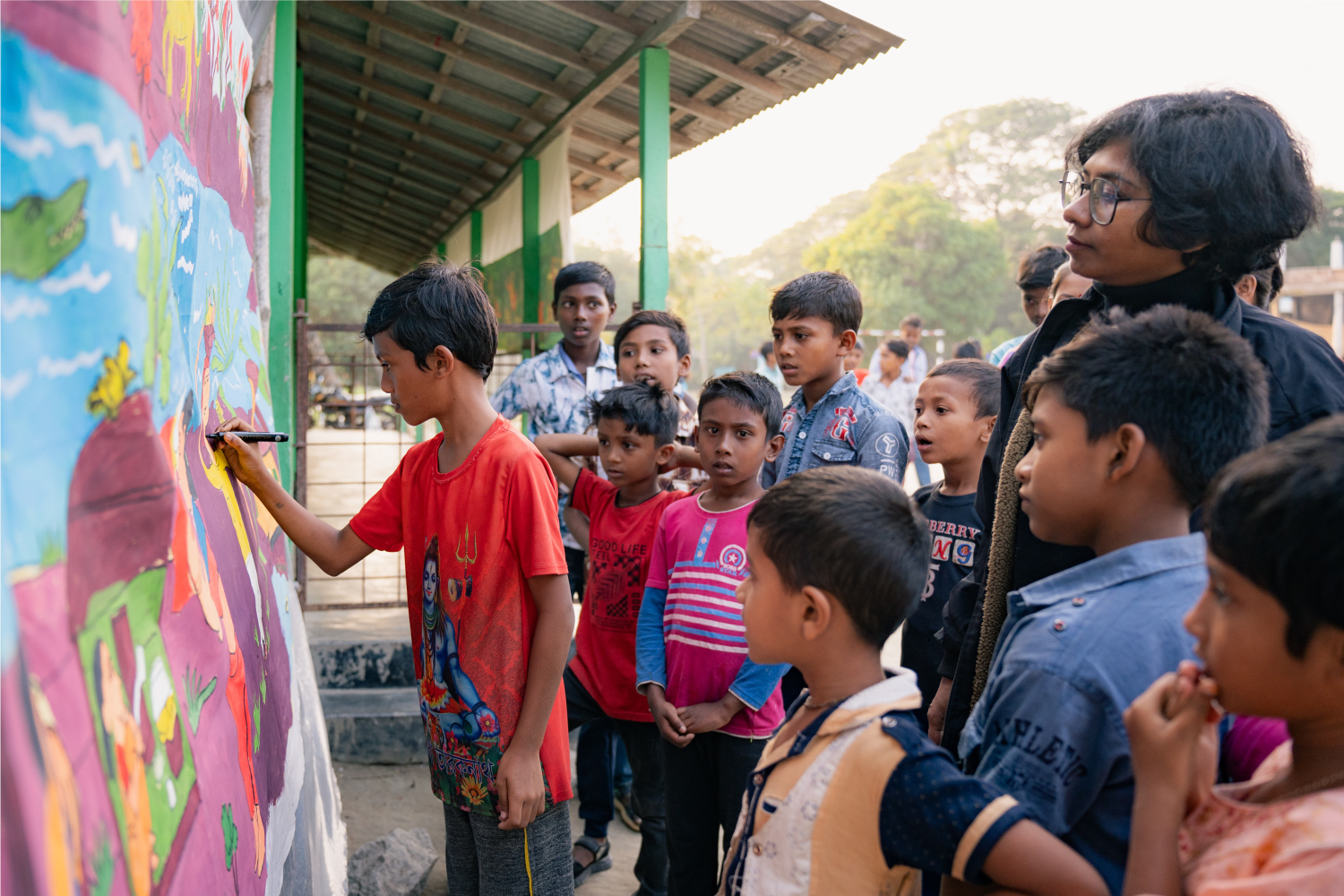
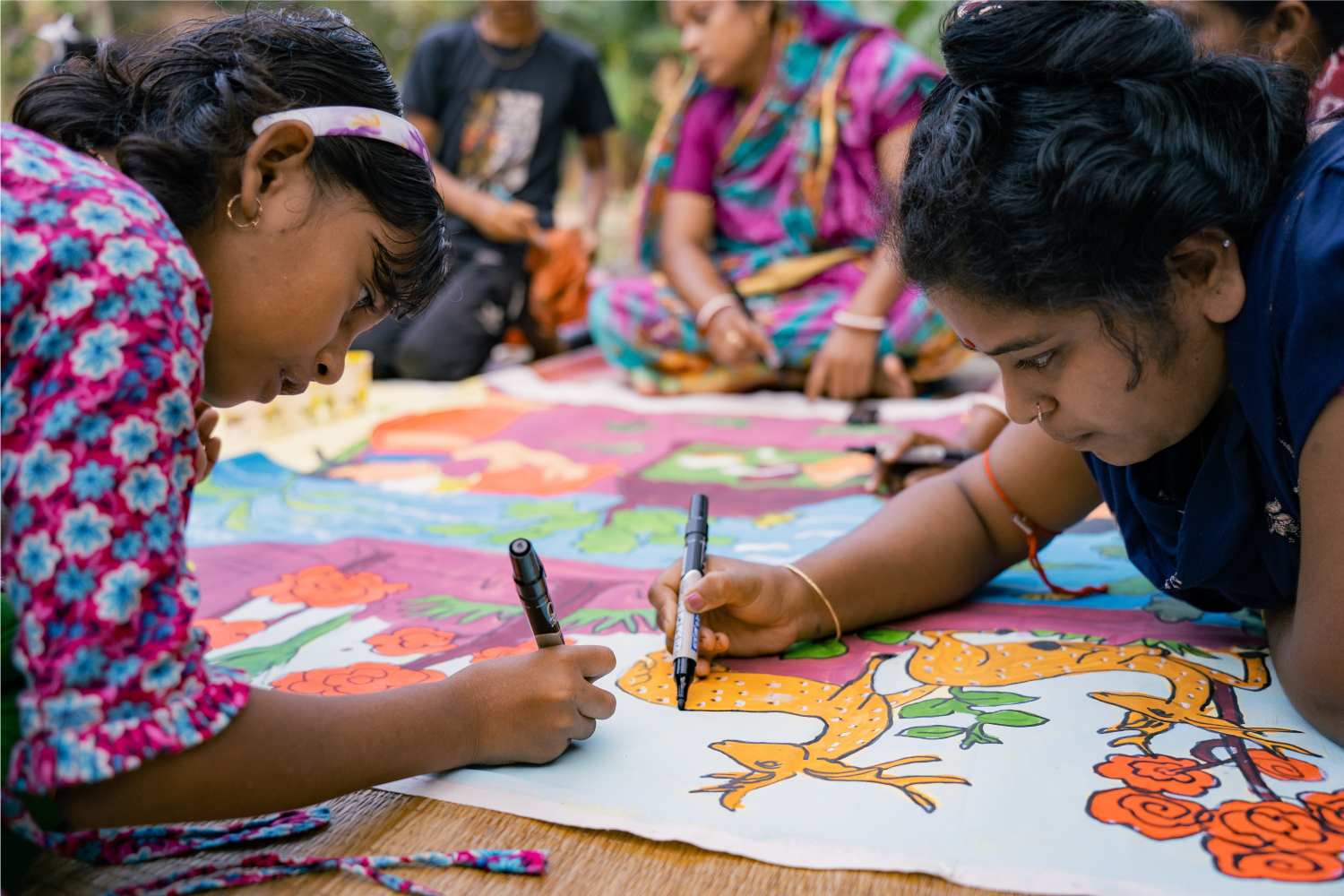
This scroll is different from the others. It was not painted by a single artist, but by the community itself—women and children from villages along the forest’s edge.
Process:
The initial sketch and first half of the painting were guided by artist Kalikinar Sardar. The remaining half was completed by community participants, working in their own way, at their own pace, with their own hands.
Content:
The scroll depicts ordinary life—homes, trees, animals, daily routines, the forest in the background. There is no myth here, no hero, no morals. There is only life, as lived. And in that ordinariness lies its power: a document of a world seen from within, not from above.
News
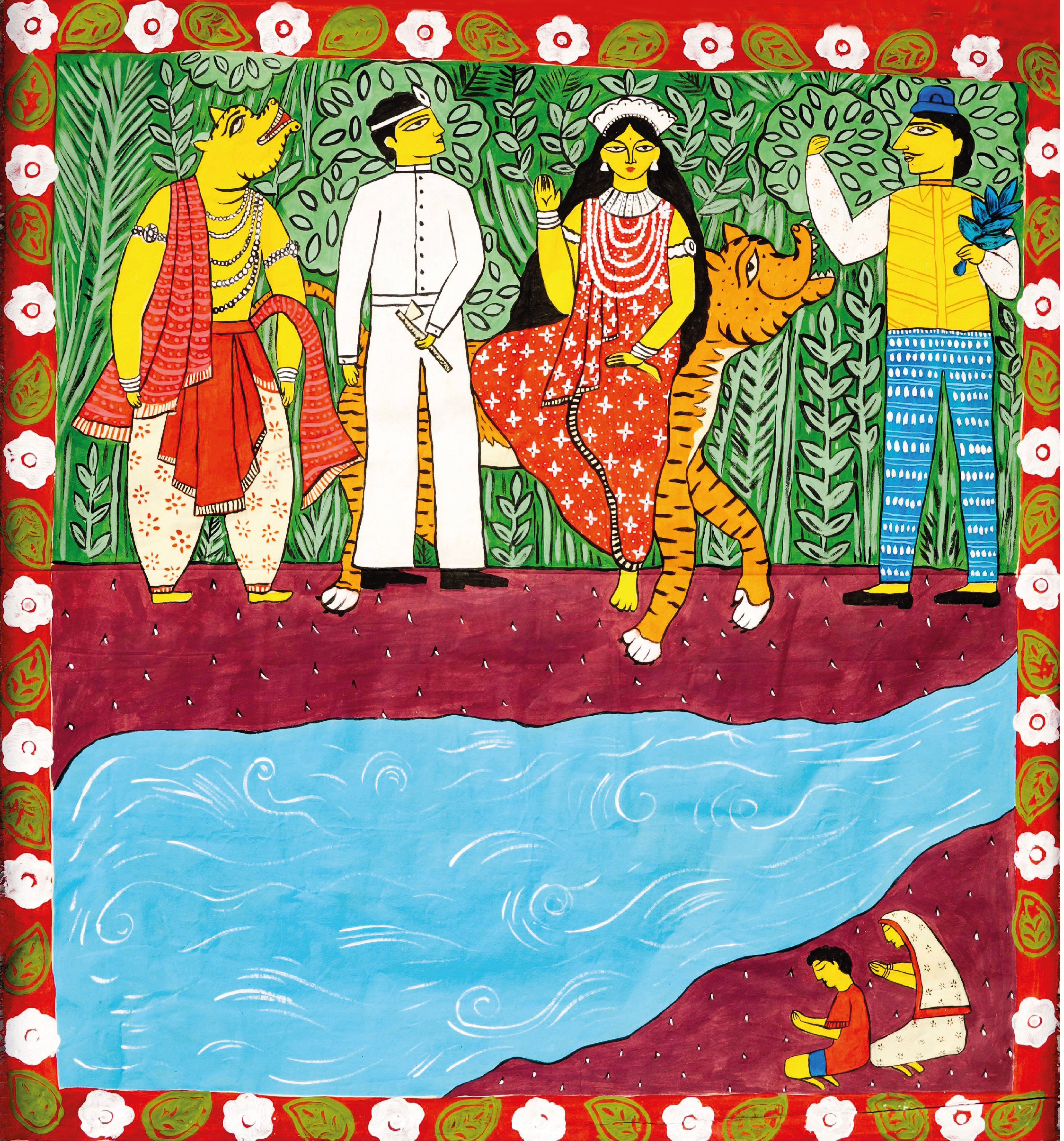
Photo: Courtesy
পটচিত্রে চার শিল্প-স্বভাব
সুন্দরবনের লোনা জল, গহিন অরণ্য আর বাঘের ভয়ের সঙ্গে লড়াই করে বেঁচে থাকা মানুষের অবিচল জীবনবোধ নিয়ে আয়োজিত হয়েছে বিশেষ প্রদর্শনী ‘দ্য হাইভ অ্যান্ড দ্য হিম’। ঢাকার ব্রিটিশ কাউন্সিল অডিটোরিয়ামে অনুষ্ঠিত এই আয়োজনটি কেবল একটি শিল্প প্রদর্শনী নয়, বরং সুন্দরবনের জীবন্ত নৃতাত্ত্বিক ও নন্দনতাত্ত্বিক পরিসরের এক নিবিড় পুনর্নির্মাণ। ইউনিক ক্লাস্টার বাংলাদেশ ও টিম প্ল্যাটফর্মের যৌথ উদ্যোগে এই প্রকল্পে পটচিত্র, আলোকচিত্র, গবেষণা এবং নাট্য উপস্থাপনার সমন্বয়ে সুন্দরবনকে সাংস্কৃতিক স্থিতিস্থাপকতার প্রতীক হিসেবে তুলে ধরা হয়েছে।
প্রদর্শনীতে সুন্দরবনের অরণ্য, বনবিবির পুরাণ এবং মৌয়ালদের মধু সংগ্রহের আখ্যানগুলো চারটি ভিন্ন শিল্প-স্বভাবের মাধ্যমে প্রকাশিত হয়েছে। পটুয়া শম্ভু আচার্য্যের ঐতিহ্যবাহী গাজির পটে লোকআখ্যানের চিরচেনা রূপ যেমন ফুটে উঠেছে, তেমনি শিল্পী কে. কিংকর সর্দারের কাজে মৌয়ালদের জীবনচক্রের বাস্তব ও নথিমুখী চিত্রায়ন দেখা গেছে। অন্যদিকে, শিল্পী শৈলী শ্রাবন্তী প্রাচ্য নন্দনের শৈলীতে বনবিবির আখ্যানকে নতুন ভিজ্যুয়াল ভাষায় বিন্যস্ত করেছেন। এই আয়োজনের সবচেয়ে অনন্য দিক ছিল সাতক্ষীরার চুনকুড়ি গ্রামের নারী ও শিশুদের আঁকা পটচিত্র, যেখানে কোনো প্রাতিষ্ঠানিক নিয়মের বাঁধন ছাড়াই উঠে এসেছে উপকূলীয় জীবনের স্বতঃস্ফূর্ত অভিজ্ঞতা।
নাট্যদলের ‘দুখের বনবাস’ পরিবেশনা এবং গবেষণাভিত্তিক তথ্যচিত্রের সংমিশ্রণ পুরো আয়োজনটিকে একটি আন্তশাস্ত্রীয় অভিজ্ঞতায় রূপান্তর করেছে। যেখানে যাপিত জীবনই হয়ে উঠেছে শিল্পের মূল উৎস, সেখানে পটচিত্র কেবল একটি মাধ্যম নয় বরং আত্মপ্রতিকৃতি হিসেবে ধরা দিয়েছে। লোকঐতিহ্য ও সমকালীন ব্যাখ্যার এই মেলবন্ধন সুন্দরবনের পরিবেশগত প্রজ্ঞা এবং অমূল্য সাংস্কৃতিক ঐতিহ্য সংরক্ষণের প্রয়োজনীয়তাকে শিল্পীর ভাষায় নতুন করে মনে করিয়ে দেয়।